
Close Menu
  • Home
  • About
  • Trauma Leadership
    • Program Management
    • System Leadership
    • Trauma Registry
    • Prehospital Trauma
    • Trauma Research
    • Trauma Conferences
  • Trauma Care
  • Jobs
    • Post a Job
    • Employer Dashboard
  • Virtual Summit on Trauma Data Management
Facebook X (Twitter) Instagram
Trending
  • BCEN 2026-2027 board welcomes new trauma experts
  • Nominations now open for 2026 trauma nurse and burn nurse awards
  • How “mentoring up” can help trauma programs secure resources, avoid deficiencies and strengthen culture
  • A Practical Guide to Trauma Scoring Systems for Trauma Registry Professionals
  • Trauma Nurses: What you’re probably not thinking about when you hang IV fluids
  • How the primary survey is “same but different” for geriatric trauma patients
  • OIG report on trauma “overpayments” is flawed but raises key issues
  • (Webinar) Trauma Program Leaders: How to Talk So Revenue Cycle Will Listen
Facebook X (Twitter) Instagram
Trauma System News
  • Home
  • About
  • Trauma Leadership
    • Program Management
    • System Leadership
    • Trauma Registry
    • Prehospital Trauma
    • Trauma Research
    • Trauma Conferences
  • Trauma Care
  • Jobs
    • Post a Job
    • Employer Dashboard
  • Virtual Summit on Trauma Data Management
Trauma System News

Free e-Book: Build and Manage a Strong Trauma Performance Improvement Program

0
By Trauma News on August 24, 2016 Member Resources

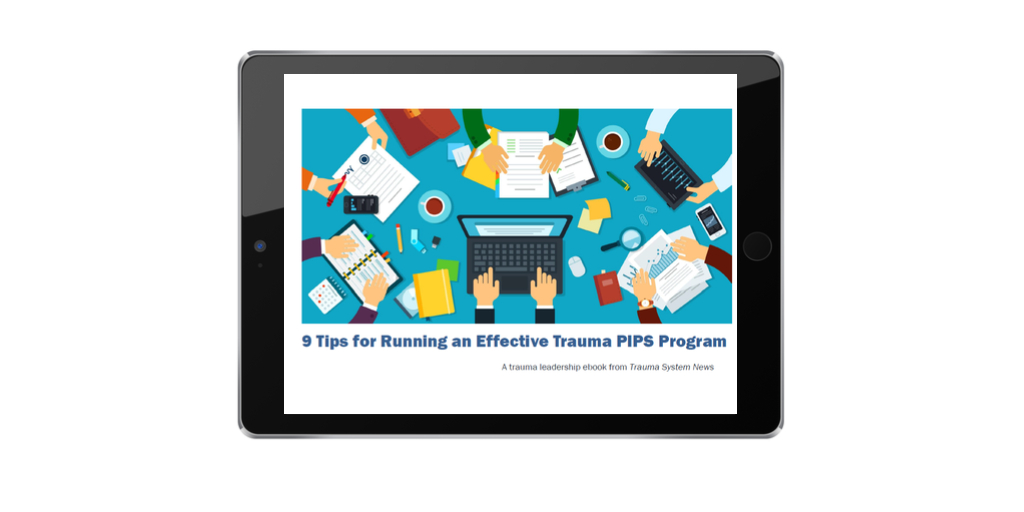
How do you establish, build and manage an effective trauma performance improvement and patient safety (PIPS) program? The American College of Surgeons provides detailed program requirements, and other resources supply a good theoretical framework. But according to Michael McGonigal, MD, bridging the gap between theory and practice can be difficult. This free guide for trauma program leaders discusses strategies for:

  • Speeding up issue resolution and PIPS loop closure
  • Ensuring complete and adequate documentation of PIPS findings and actions
  • Developing systems for capturing every trauma patient within the PIPS process
  • Tracking open items and organizing program records
  • Ensuring adequate and compliant PIPS meeting attendance
  • Addressing peer issues fairly and sensitively
  • Avoiding the risk of overwhelming your staff

Click the link below to download this resource:

9 Tips for Running an Effective Trauma PIPS Program (PDF)

Author

  • Trauma News

Related Posts

Free PDF: How Trauma Programs Prepared for COVID-19

Free Tool: Online Calculator for Estimating an Appropriate Trauma Activation Fee

Free Tool: Trauma PI Dashboard

Comments are closed.

About Trauma System News

Trauma System News is the only information channel dedicated to trauma center and trauma system leadership and management. Find out more.

SiteLock
Copyright © 2024 Trauma System News

Type above and press Enter to search. Press Esc to cancel.